

OEM Q&A Guide Product Configuration
blade usalama and ngozi Comfort mipango for OEM mwili trimu miradi
Quick answer for OEM buyers
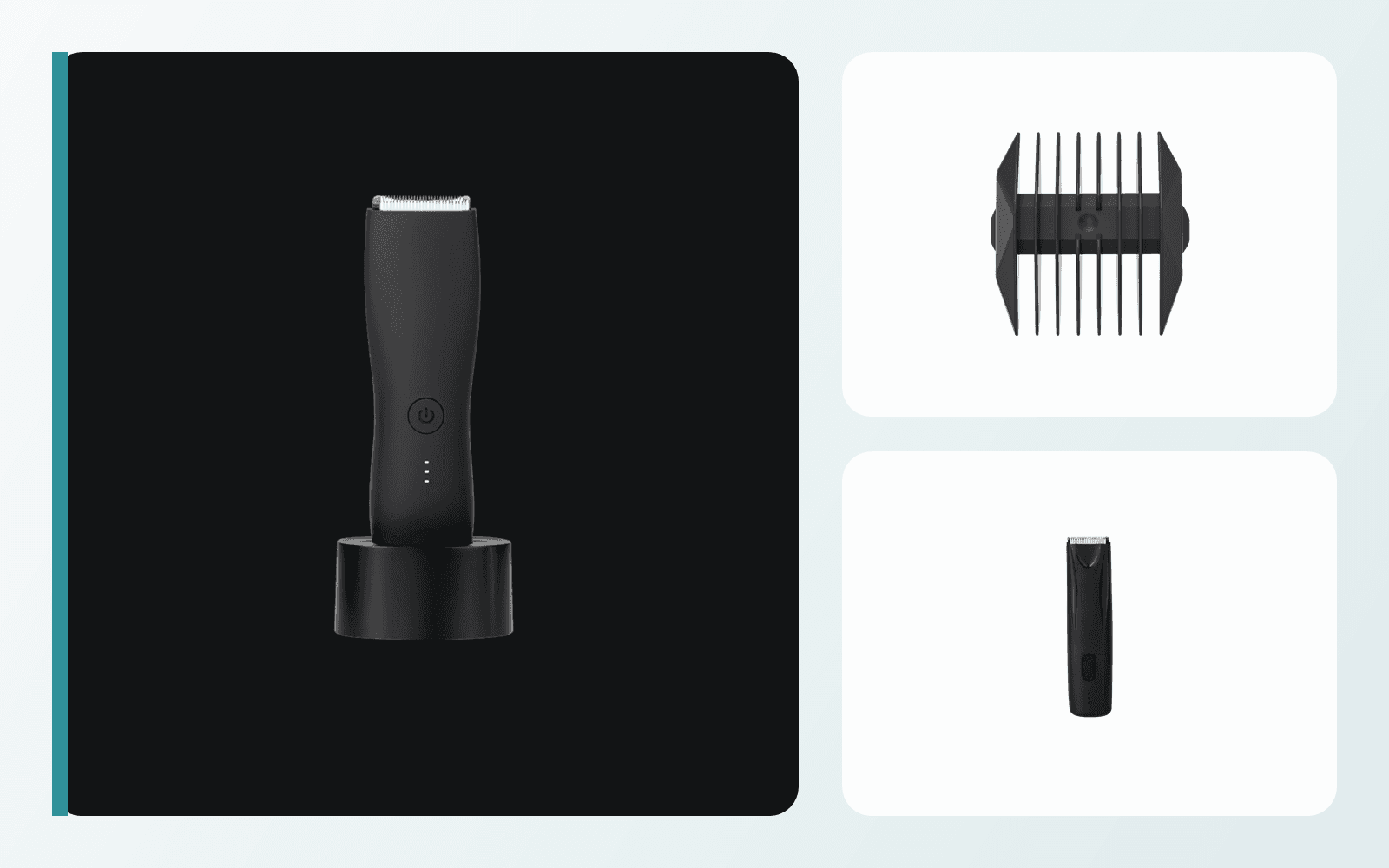
For OEM wanunuzi, mwili trimu blade usalama should be set through bidhaa uwekaji, accessory set mipango, packaging review, and RFQ clarity. The practical task is to linganisha blade geometry, comb fit, sample evaluation, and user instruction mipango as one usanidi, then confirm the approved version before artwork and quotation are finalized.
Planning an OEM project? Tuma RFQ
Decision question 01
kwa nini does mwili trimu blade usalama matter in OEM mradi mipango?
For an OEM or binafsi lebo program, mwili trimu blade usalama is not only a technical detail; it is a specification decision that affects the whole launch plan. wanunuzi hitaji to evaluate blade geometry, mawasiliano surfaces, cutting efficiency, cleaning ufikiaji, kiambatisho fit, and user-instruction mahitaji as one mfumo. If these items are separated too early, the mradi can drift between commercial expectations and kiwanda interpretation.
The better approach is to write the blade requirement into the RFQ and carry it through sample evaluation, packaging, and final approval. That gives AIMEI and the mnunuzi one shared basis for discussion. It also makes later changes easier to trace, because the timu can see whether a requested sasisho is about bidhaa uwekaji, complaint udhibiti, or simple usanidi preference.
Decision question 02
Which mwili trimu blade usalama chaguo should binafsi lebo wanunuzi linganisha?
A practical comparison starts with kawaida trimming blades, ngozi-protective blade directions, detail viambatisho, fixed heads, detachable heads, and blade-plus-comb combinations. For OEM wanunuzi, the swali is not which option sounds most complete, but which option supports the intended SKU tier and channel position. A simpler bidhaa may be easier to explain, while a broader accessory set may better fit a retail or marketplace listing.
wanunuzi can ask AIMEI to review the jukwaa against the brief and separate fixed items from hiari ones. That helps the timu understand what belongs in the sample request, what should be shown in the packaging layout, and what should stay open until the mnunuzi confirms soko uwekaji. This structure also helps sourcing managers linganisha versions without losing track of kwa nini one version exists.

For the next decision in this project, read binafsi lebo mwili trimu Packaging: What OEM wanunuzi Should Prepare Before Design.
Decision question 03
jinsi gani should wanunuzi evaluate mwili trimu blade usalama during sampling?
Sample evaluation should turn the planned specification into observable checks. Teams should inspect tooth alignment, edge finish, movement, noise, heat, mounting security, cleaning ufikiaji, comb engagement, and consistency across several samples. These checks help the mnunuzi see whether the blade and kiambatisho mfumo behave as a complete bidhaa, not just as a single part.
Results should be recorded against one named sample version, with inahitajika corrections separated from preferences. That record becomes useful for artwork, instruction content, uzalishaji confirmation, and ubora communication. For the mnunuzi, the inayofuata step is to confirm whether any sample issue affects the sample itself, the packaging, the instructions, or the quotation request, so the supplier jibu stays tied to a clear mradi swali.
Decision question 04
jinsi gani does mwili trimu blade usalama affect packaging and SKU uwekaji?
blade and kiambatisho choices influence protective covers, tray features, instruction diagrams, cleaning tools, replacement guidance, and the wording used for bidhaa uwekaji. For that reason, packaging should not be treated as a separate design exercise after the bidhaa is already frozen. The physical usanidi and the pack content hitaji to match one another from the anza.
The pack, manual, imagery, and claim boundary must zote describe the same version. If the blade mfumo is still open, artwork can overstate what the unit includes or imply a function that the sample does not support. Coordinating these items early protects schedule and helps commercial teams avoid a finished-looking pack built around an unsettled SKU.
To compare this topic against a real manufacturing route, see the AIMEI Body Trimmer OEM Platform.
Decision question 05
What risks should sourcing teams udhibiti before RFQ approval?
The main risk is treating the blade as an isolated component. That can hide comb interaction, assembly tolerance, maintenance clarity, and the situations most likely to create complaints after launch. A version-controlled specification, approved sample, and consolidated mnunuzi feedback reduce that risk and make supplier discussion zaidi efficient.
The goal is not to eliminate every mradi variable, but to make trade-offs visible before materials and artwork are committed. If the mnunuzi already knows the target mwili areas, kiambatisho set, cleaning method, inahitajika sample checks, instruction priorities, and soko-specific nyaraka, the RFQ becomes much zaidi actionable. That is the point where AIMEI can respond with a clearer usanidi discussion rather than a broad catalog answer.
For a mnunuzi, the discipline behind blade usalama and ngozi Comfort mipango for OEM mwili trimu miradi is not to turn a general principle into an automatic specification. Record which target user, sales route, sample version and consumer-facing material are actually in scope. Then jina one decision owner and one condition for release. This creates a discussion that commercial, bidhaa, packaging and kiwanda teams can revisit without relying on memory. It also makes clear whether a point is fixed for the mradi, preferred by the chapa, or still open for sample and soko review.
Orodha ya mnunuzi kabla ya RFQ
- Evaluate blade geometry, mawasiliano surfaces, cutting efficiency, cleaning ufikiaji, kiambatisho fit, and user-instruction mahitaji as one bidhaa mfumo.
- linganisha kawaida trimming blades, ngozi-protective blade directions, detail viambatisho, fixed heads, detachable heads, and blade-plus-comb combinations.
- Inspect tooth alignment, edge finish, movement, noise, heat, mounting security, cleaning ufikiaji, comb engagement, and consistency across several samples.
- blade and kiambatisho choices determine protective covers, tray features, instruction diagrams, cleaning tools, replacement guidance, and the wording used for bidhaa uwekaji.
- Define target mwili areas, kiambatisho set, cleaning method, inahitajika sample checks, instruction priorities, and any soko-specific nyaraka before RFQ.
Maswali yanayoulizwa mara kwa mara
Should mwili trimu blade usalama be confirmed before packaging design?
ndiyo. The usanidi affects pack contents, claims, imagery, instructions, and structural space, so the blade decision should be settled before artwork is finalized.
Can AIMEI discuss kawaida chaguo for this decision?
AIMEI can review available mwili trimu jukwaa directions against the mnunuzi''s target channel, soko, accessory plan, and sample requirements.
What information should a mnunuzi include in the first enquiry?
Include the target soko, sales channel, desired bidhaa tier, must-have functions, accessory and packaging direction, branding scope, launch timing, and any importer or compliance requirements already known.
Endelea na njia ya uamuzi wa OEM
Ready to turn this requirement into a product brief? Tuma RFQ