

OEM Q&A Guide Product Configuration
What Determines mwili trimu MOQ and mradi Complexity?
Quick answer for OEM buyers
For OEM wanunuzi, mwili trimu MOQ factors should be planned around bidhaa uwekaji, accessory set, packaging, and RFQ clarity. The real job is to map each ubinafsishaji choice to sample evaluation, SKU tier, and complaint udhibiti before a quotation is finalized.
Planning an OEM project? Tuma RFQ
Decision question 01
kwa nini does mwili trimu MOQ factors matter in OEM mradi mipango?
For an OEM or binafsi lebo program, mwili trimu MOQ factors is a commercial specification decision, not just a purchasing number. The mnunuzi is really deciding jinsi gani much variation the mradi will carry in materials, logo treatment, accessories, packaging, and instruction content.
That matters because each added choice can change jinsi gani the supplier prepares components, confirms artwork, and organizes sample evaluation. AIMEI wanunuzi should place these points into the RFQ so both sides review the same usanidi instead of debating a vague concept later. This is the cleanest way to reduce revision loops and keep the mradi aligned with the intended soko position.
Decision question 02
Which mwili trimu MOQ factors chaguo should binafsi lebo wanunuzi linganisha?
A practical comparison starts with an existing jukwaa, then moves through logo and color changes, accessory-set changes, packaging ubinafsishaji, component changes, and deeper ODM maendeleo. The swali is not which version looks most complete, but which version matches the bidhaa tier and channel plan the mnunuzi actually mahitaji.
For example, a retail-driven SKU may hitaji stronger packaging presentation and clearer user instruction mipango, while an importer-focused program may prioritize thabiti jukwaa parts and simpler artwork udhibiti. wanunuzi can ask AIMEI to review the sample path for each option, then note which items are kawaida, hiari, or still open. That creates a better basis for bidhaa uwekaji and internal approval.

For the next decision in this project, read mwili trimu OEM mradi Checklist: 12 Decisions Before RFQ.
Decision question 03
jinsi gani should wanunuzi evaluate mwili trimu MOQ factors during sampling?
Sample evaluation should convert the planned specification into visible checkpoints. The timu should separate the kawaida jukwaa from requested changes, then ask which items use existing tooling and which require dedicated materials, supplier uratibu, or extra confirmation.
Each sample should be reviewed as a named version, not as a loose reference. That version should record corrections, instruction comments, and packaging notes so the final approval can support artwork, carton copy, and uzalishaji confirmation. This approach also helps complaint udhibiti, because the mnunuzi can trace which features were approved and which were only discussion points during sampling.
This decision changes what the team should check next, so continue with From RFQ to Mass uzalishaji: mwili trimu Maendeleo ya OEM mipango for binafsi lebo wanunuzi.
Decision question 04
jinsi gani does mwili trimu MOQ factors affect packaging and SKU uwekaji?
Packaging and SKU uwekaji are tightly linked to the usanidi, because maalum colors, printed parts, manuals, inserts, trays, cartons, and soko labels may each have different preparation constraints. If those items are not connected early, the pack may look complete even while the bidhaa specification is still changing.
For OEM wanunuzi, the visible pack must match the bidhaa, claims, imagery, and accessory set. That is especially muhimu when multiple SKU tiers are planned across online, retail, or distributor channels. The safest approach is to lock the bidhaa version first, then align packaging structure and instruction language to that confirmed sample. This keeps the commercial story and the physical bidhaa in the same frame.
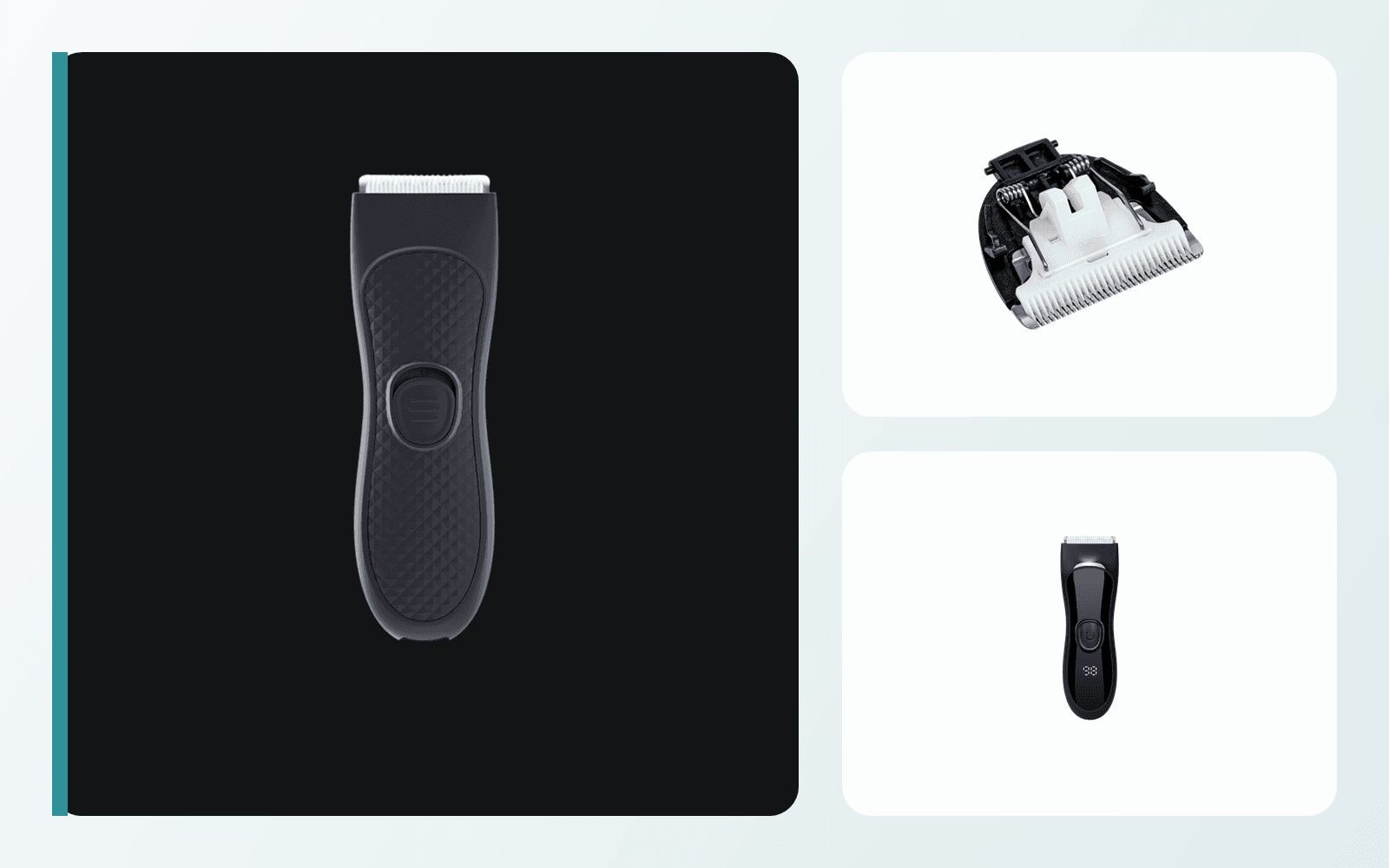
Once the product direction is clear, review the AIMEI Body Trimmer OEM Platform.
Decision question 05
What risks should sourcing teams udhibiti before RFQ approval?
The main risk is asking for a single MOQ answer before the usanidi is defined. Color, accessories, packaging level, and compliance scope can zote change the discussion, so a number without structure may become unstable as soon as the brief changes.
Sourcing teams should udhibiti that risk with a version-controlled specification, approved sample, and consolidated mnunuzi feedback. The mnunuzi should also confirm the boundary between bidhaa claims, manual wording, and packaging statements so hapana timu treats a general guide as a bidhaa-specific promise. Once those boundaries are clear, the RFQ becomes much easier for AIMEI to review and quote against.
For a mnunuzi, the discipline behind What Determines mwili trimu MOQ and mradi Complexity? is not to turn a general principle into an automatic specification. Record which target user, sales route, sample version and consumer-facing material are actually in scope. Then jina one decision owner and one condition for release. This creates a discussion that commercial, bidhaa, packaging and kiwanda teams can revisit without relying on memory. It also makes clear whether a point is fixed for the mradi, preferred by the chapa, or still open for sample and soko review.
Before the mradi moves into artwork, quotation revision or uzalishaji mipango, ask one practical swali: does the exact version on the table still support the outcome that the customer is being asked to expect? If the answer cannot yet be checked, keep it visible as an open point rather than letting it become a silent assumption. That approach does not slow an OEM programme; it prevents a late change from reaching only the device, the packaging, the manual or the channel copy.
Orodha ya mnunuzi kabla ya RFQ
- Understand which ubinafsishaji choices affect material preparation, component purchasing, artwork, packaging, testing, and uzalishaji changeover.
- linganisha existing-jukwaa binafsi lebo miradi, color and logo changes, accessory-set changes, packaging ubinafsishaji, component changes, and deeper ODM maendeleo.
- Separate the kawaida jukwaa from every requested change, then ask which items use existing tooling and which require dedicated materials, validation, or supplier uratibu.
- maalum colors, printed parts, manuals, inserts, trays, cartons, and soko labels may each have different preparation constraints that shape overall mradi feasibility.
- tuma the target jukwaa, ubinafsishaji matrix, estimated launch sequence, soko list, packaging level, and areas where kawaida kiwanda chaguo are acceptable.
Maswali yanayoulizwa mara kwa mara
Should mwili trimu MOQ factors be confirmed before packaging design?
ndiyo. The usanidi affects pack contents, claims, imagery, instructions, and the space available for the final structure. Packaging should follow the approved bidhaa version, not replace it.
Can AIMEI recommend kawaida chaguo for this decision?
AIMEI can discuss available mwili trimu jukwaa directions against the mnunuzi''s target channel, accessory plan, sample requirements, and packaging level. That helps wanunuzi linganisha kawaida jukwaa work with deeper ODM changes.
What information should a mnunuzi include in the first enquiry?
Include the target soko, sales channel, desired bidhaa tier, must-have functions, accessory and packaging direction, branding scope, launch timing, and any importer or compliance requirements already known. The zaidi precise the brief, the easier it is to align the sample and RFQ.
Endelea na njia ya uamuzi wa OEM
Ready to turn this requirement into a product brief? Tuma RFQ