
Manufacturing Quality / Blade Options
Blade Safety and Skin Comfort: What OEM Buyers Should Evaluate
For OEM buyers, body trimmer blade safety should be selected around product positioning, sample evaluation, packaging, and RFQ clarity. The practical approach is to evaluate blade geometry, contact surfaces, cutting efficiency, cleaning access, attachment fit, and user-instruction needs as one product system, then confirm the decision against a physical sample and the final market brief.
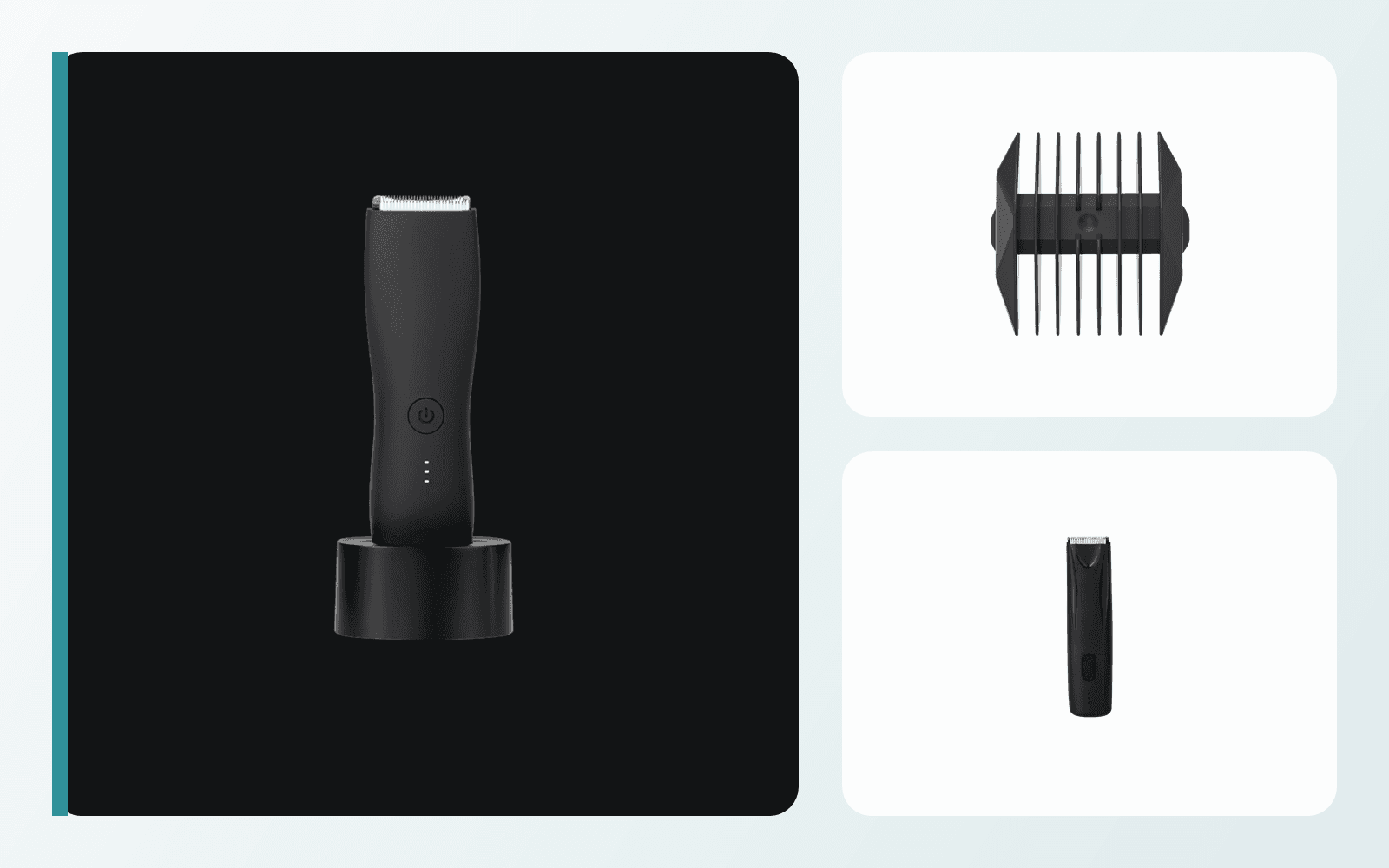
Table of Contents
- Short answer
- Buyer decision
- Configuration options
- Sample evaluation
- Packaging impact
- Risk control
- Buyer checklist
- FAQ
Why does body trimmer blade safety matter in OEM project planning?
For an OEM or private label program, body trimmer blade safety is a commercial specification decision. Buyers should evaluate blade geometry, contact surfaces, cutting efficiency, cleaning access, attachment fit, and user-instruction needs as one product system. The decision should be written into the RFQ and carried through sample evaluation, packaging, and final approval. That gives AIMEI and the buyer one shared basis for configuration discussion instead of relying on broad marketing language.
Which body trimmer blade safety options should private label buyers compare?
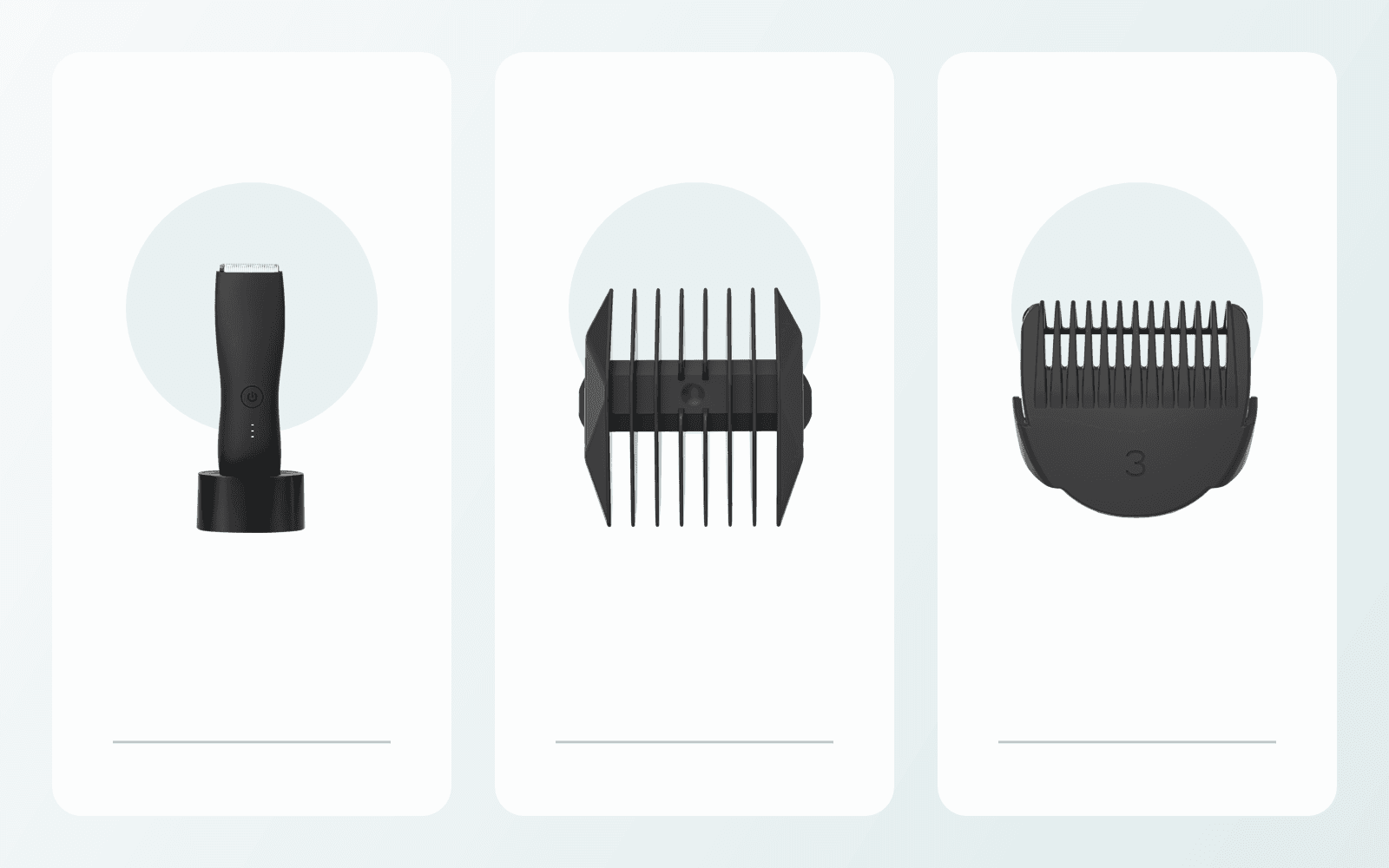
A useful comparison starts with standard trimming blades, skin-protective blade directions, detail attachments, fixed heads, detachable heads, and blade-plus-comb combinations. The best option is the one that makes the intended SKU easier to position and approve, not the one with the longest feature list. Buyers can ask AIMEI to compare standard platform possibilities against the brief, then record which elements are fixed, optional, or still open. This makes quotation differences understandable and keeps later revisions connected to an explicit business reason.
How should buyers evaluate body trimmer blade safety during sampling?
Sample evaluation should turn the planned specification into observable checks. Teams should inspect tooth alignment, edge finish, movement, noise, heat, mounting security, cleaning access, comb engagement, and consistency across several samples. Results should be recorded against one sample version, with required corrections separated from preferences. The final approved unit then becomes a practical reference for artwork, instruction content, production confirmation, and quality communication.
How does body trimmer blade safety affect packaging and SKU positioning?
Blade and attachment choices determine protective covers, tray features, instruction diagrams, cleaning tools, replacement guidance, and the wording used for product positioning. This connection should be resolved before artwork and structural packaging are treated as final. The physical product, pack contents, claims, imagery, manual, and market labels must describe the same configuration. Coordinating these items early protects schedule and prevents buyers from approving a visually finished pack for an unsettled product.
What risks should sourcing teams control before RFQ approval?
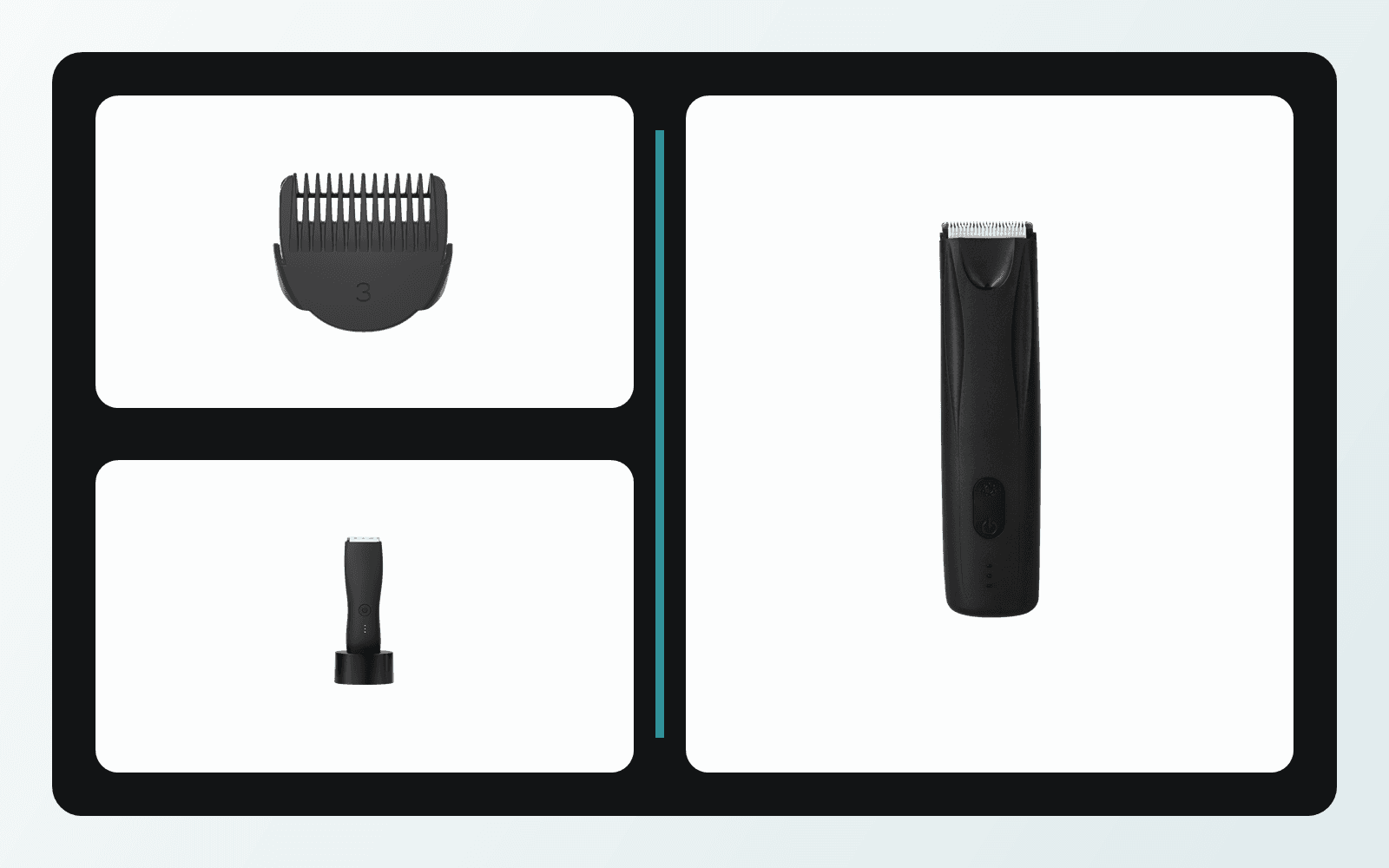
Treating the blade as an isolated component can overlook comb interaction, assembly tolerance, maintenance clarity, and the situations most likely to create complaints. A version-controlled specification, approved sample, and consolidated buyer feedback reduce that risk. The goal is not to eliminate every project variable, but to make trade-offs visible before materials and artwork are committed. Clear ownership and written approval also make supplier discussions faster when a market or channel requirement changes.
Buyer checklist before RFQ
- Evaluate blade geometry, contact surfaces, cutting efficiency, cleaning access, attachment fit, and user-instruction needs as one product system.
- Compare standard trimming blades, skin-protective blade directions, detail attachments, fixed heads, detachable heads, and blade-plus-comb combinations.
- Inspect tooth alignment, edge finish, movement, noise, heat, mounting security, cleaning access, comb engagement, and consistency across several samples.
- Blade and attachment choices determine protective covers, tray features, instruction diagrams, cleaning tools, replacement guidance, and the wording used for product positioning.
- Define target body areas, attachment set, cleaning method, required sample checks, instruction priorities, and any market-specific documentation before RFQ.
FAQ
Should body trimmer blade safety be confirmed before packaging design?
Yes. The configuration affects pack contents, claims, imagery, instructions, and structural space. Buyers should approve the product direction before final artwork and retain a controlled record of any later change.
Can AIMEI recommend standard options for this decision?
AIMEI can discuss available body trimmer platform directions against the buyer's target channel, market, accessory plan, and sample requirements. Final feasibility remains subject to the confirmed RFQ and sample review.
What information should a buyer include in the first enquiry?
Include the target market, sales channel, desired product tier, must-have functions, accessory and packaging direction, branding scope, launch timing, and any importer or compliance requirements already known.
Discuss This OEM Requirement
Share your target market, preferred configuration, and private label requirements to start a focused RFQ conversation.