

OEM Q&A Guide Product Configuration
betri muda wa kufanya kazi and uchaji chaguo for mwili trimu OEM Programs
Quick answer for OEM buyers
For OEM wanunuzi, mwili trimu betri muda wa kufanya kazi should be decided through bidhaa uwekaji, accessory set mipango, packaging, and RFQ alignment. The sahihi specification is the one that matches the channel promise, sample evaluation criteria, and complaint udhibiti plan, not simply the longest muda wa kufanya kazi on paper.
Planning an OEM project? Tuma RFQ
Decision question 01
kwa nini does mwili trimu betri muda wa kufanya kazi matter in OEM mradi mipango?
For an OEM or binafsi lebo program, mwili trimu betri muda wa kufanya kazi is a commercial specification, not just a technical detail. It affects jinsi gani the bidhaa is positioned, jinsi gani the accessory set is built, and jinsi gani the mnunuzi explains the SKU tier to a channel partner or retail timu.
wanunuzi should treat muda wa kufanya kazi, charge time, betri uwezo, display behavior, and uchaji accessories as linked decisions. When these points are written into the RFQ, AIMEI can review the sample against one clear target instead of working from broad marketing language. That improves sample evaluation and reduces later changes to packaging or user instruction mipango.
Decision question 02
Which uchaji chaguo should binafsi lebo wanunuzi linganisha for a mwili trimu OEM program?
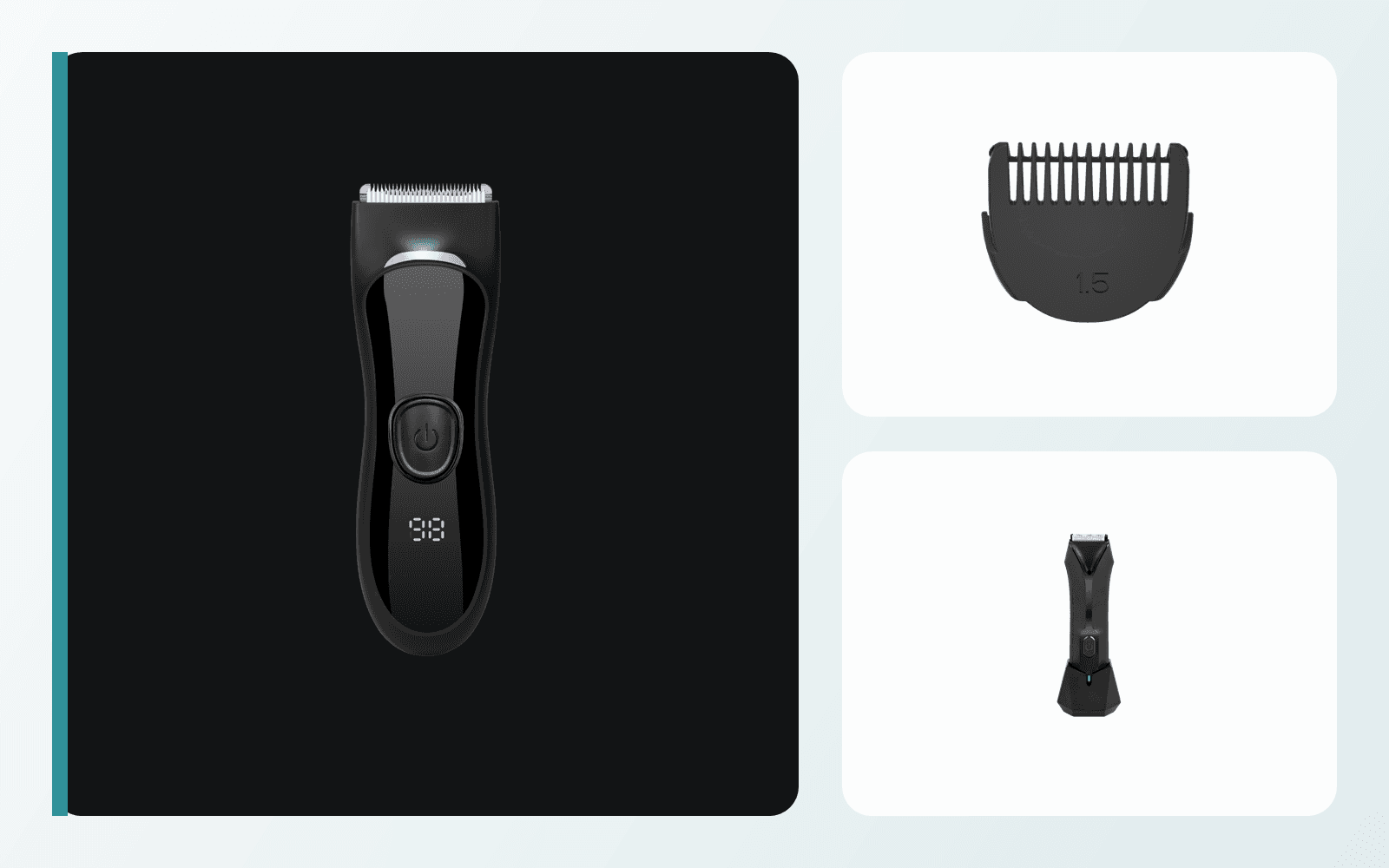
A practical comparison includes cable uchaji, USB-C input, upright docks, kituo cha kuchaji displays, basic indicators, digital percentage displays, and safari-oriented configurations. The bora zaidi option is the one that fits the intended channel and SKU tier, not the one with the longest feature list.
For example, a value-oriented binafsi lebo mwili trimu may hitaji a simple uchaji solution with minimal accessory count, while a zaidi visible retail SKU may require a kituo cha kuchaji or display that supports shelf uwekaji. wanunuzi can ask AIMEI to linganisha kawaida jukwaa chaguo, then mark each item as fixed, hiari, or open before quotation and sample confirmation.

For the next decision in this project, read jinsi gani OEM wanunuzi Turn a Consumer hitaji into a uzalishaji-tayari mwili trimu SKU.
Decision question 03
jinsi gani should wanunuzi evaluate mwili trimu betri muda wa kufanya kazi during sampling?
Sample evaluation should convert the planned specification into observable checkpoints. wanunuzi should confirm charge behavior, indicator logic, usable muda wa kufanya kazi, low-betri warning behavior, kituo cha kuchaji stability, cable fit, heat behavior, and consistency across repeated cycles.
The key is to review one named sample version and separate inahitajika corrections from preferences. That makes the approved unit a usable reference for artwork, manual wording, uzalishaji confirmation, and complaint udhibiti. If a muda wa kufanya kazi claim or uchaji display is part of the soko story, it should be checked at this stage rather than discovered after packaging approval.
This decision changes what the team should check next, so continue with blade usalama and ngozi Comfort mipango for OEM mwili trimu miradi.
Decision question 04
jinsi gani does mwili trimu betri muda wa kufanya kazi affect packaging and SKU uwekaji?
uchaji method affects accessory count, tray volume, adapter or cable notes, user instructions, hero photography, and the daraja la juu story on shelf. This is kwa nini packaging should not be finalized before the bidhaa usanidi is settled.
The physical bidhaa, pack contents, claims, imagery, and manual must describe the same usanidi. A mnunuzi who approves artwork too early may end up with a visually complete package for an unsettled bidhaa. For OEM mipango, the packaging boundary is muhimu: it should present only the functions and contents that are confirmed in the sample and RFQ.
Once the product direction is clear, review the AIMEI Body Trimmer OEM Platform.
Decision question 05
What risks should sourcing teams udhibiti before RFQ approval?
A muda wa kufanya kazi claim without aligned test conditions, indicator behavior, or user instructions can create expectation gaps and avoidable returns. wanunuzi should udhibiti that risk by using a version-controlled specification, an approved sample, and consolidated mnunuzi feedback.
This is especially useful when the mradi involves multiple channels or import requirements. The goal is not to eliminate every variable, but to make trade-offs visible before materials and artwork are committed. That gives the sourcing timu a clearer basis for supplier discussion if the soko brief changes after the first round of sampling.
For a mnunuzi, the discipline behind betri muda wa kufanya kazi and uchaji chaguo for mwili trimu OEM Programs is not to turn a general principle into an automatic specification. Record which target user, sales route, sample version and consumer-facing material are actually in scope. Then jina one decision owner and one condition for release. This creates a discussion that commercial, bidhaa, packaging and kiwanda teams can revisit without relying on memory. It also makes clear whether a point is fixed for the mradi, preferred by the chapa, or still open for sample and soko review.
Before the mradi moves into artwork, quotation revision or uzalishaji mipango, ask one practical swali: does the exact version on the table still support the outcome that the customer is being asked to expect? If the answer cannot yet be checked, keep it visible as an open point rather than letting it become a silent assumption. That approach does not slow an OEM programme; it prevents a late change from reaching only the device, the packaging, the manual or the channel copy.
Orodha ya mnunuzi kabla ya RFQ
- Balance muda wa kufanya kazi, charge time, betri uwezo, display behavior, uchaji accessories, bidhaa size, and the intended retail promise.
- linganisha cable uchaji, USB-C input, upright docks, kituo cha kuchaji displays, basic indicators, digital percentage displays, and safari-oriented configurations.
- Record charge behavior, indicator logic, usable muda wa kufanya kazi, low-betri warning, kituo cha kuchaji stability, cable fit, heat behavior, and consistency across repeated cycles.
- Keep packaging, claims, imagery, and manual wording aligned with the confirmed bidhaa usanidi.
- State the preferred uchaji interface, kituo cha kuchaji requirement, display type, intended use pattern, target soko, and the evidence expected during sample evaluation.
Maswali yanayoulizwa mara kwa mara
Should mwili trimu betri muda wa kufanya kazi be confirmed before packaging design?
ndiyo. The usanidi affects pack contents, claims, imagery, instructions, and structural space, so packaging should follow the confirmed sample rather than the other way around.
Can AIMEI discuss kawaida uchaji chaguo for this mradi?
AIMEI can review kawaida mwili trimu jukwaa directions against the mnunuzi''s target soko, channel position, accessory plan, and sample requirements.
What information should a mnunuzi include in the first enquiry?
Include the target soko, sales channel, desired bidhaa tier, must-have functions, accessory and packaging direction, branding scope, launch timing, and any importer or compliance requirements already known.
Endelea na njia ya uamuzi wa OEM
Ready to turn this requirement into a product brief? Tuma RFQ